
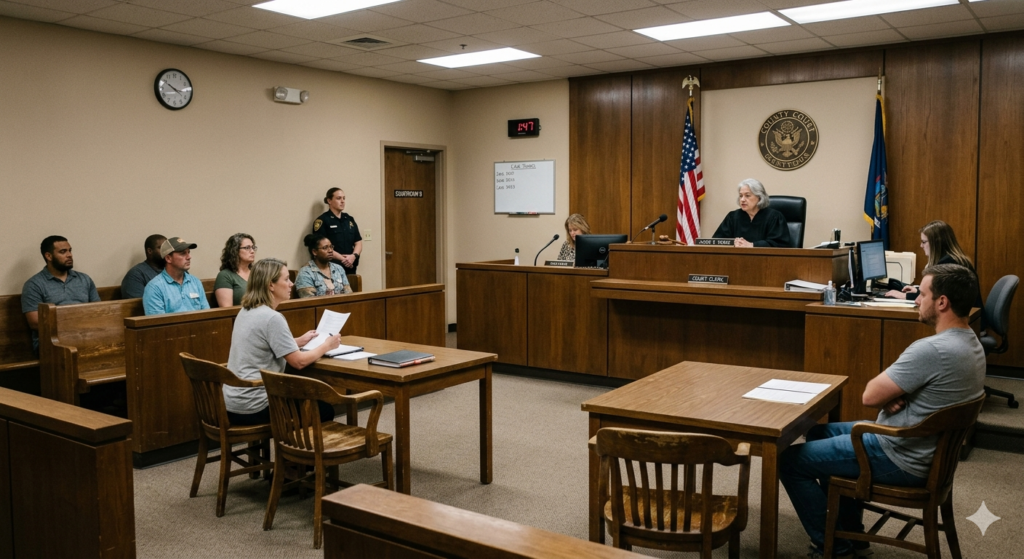
Small claims court in Florida is designed to be accessible — no complicated procedures, no formal rules of evidence, and you don’t technically need a lawyer to show up. But “you can do it yourself” doesn’t always mean “you should.” Here’s how Florida small claims court works, and why having an attorney in your corner can make a real difference.
How Florida Small Claims Court Works
In Florida, small claims court handles disputes involving $8,000 or less (not counting court costs and attorney’s fees). It falls under the county court system, so you’ll file in the county where the other party lives or where the dispute happened.
The process is relatively straightforward: you file a claim, pay a filing fee (typically $55–$300 depending on the amount), and a hearing date is set — usually within 30 to 70 days. On that date, both sides present their case to a judge, and a decision is made.
Common cases include unpaid loans, security deposit disputes, property damage, and unpaid invoices. If you win, the judge enters a judgment in your favor — but actually collecting that money is a separate step.
What Most People Get Wrong
A lot of people walk into small claims court thinking it’ll be simple — and then get caught off guard. Just because the process is informal doesn’t mean the other side won’t show up prepared. If the person you’re suing has an attorney, you’re at a real disadvantage without one.
Evidence matters more than people expect. Judges want documentation: contracts, texts, emails, receipts, photos. Showing up with a verbal story and good intentions usually isn’t enough.
There’s also the question of what to sue for. Florida law allows you to recover certain costs beyond the original debt — like court filing fees and sometimes attorney’s fees — but only if you know to ask for them correctly.
Why Having an Attorney Helps
Attorneys who handle small claims cases know how to build a case that actually wins. They know what evidence to gather, how to present it clearly, and how to counter the other side’s arguments. That preparation makes a big difference in front of a judge.
An attorney can also help you before you ever set foot in a courtroom. Sometimes a well-written demand letter from a lawyer is enough to get the other party to settle — saving you the time and stress of a hearing altogether.
And if you win? An attorney can help you actually collect the judgment. In Florida, collecting on a judgment can involve wage garnishment, bank levies, or placing a lien on property — steps that have their own rules and deadlines. Knowing how to use those tools is often the difference between getting paid and having a piece of paper that does nothing.
Florida also has a rule called the “prevailing party” attorney’s fee provision in some contract disputes — meaning if your contract includes an attorney’s fees clause, the winner can recover their legal costs from the loser. An attorney will know whether that applies to your case.
Is It Worth It for a Small Claim?
Fair question. If you’re chasing a few hundred dollars, hiring an attorney might not make financial sense. But for disputes in the thousands — or any case where the other party has legal representation — the investment often pays off.
Many attorneys offer a free or low-cost initial consultation, so you can get a real read on your situation before committing to anything. At minimum, it’s worth a quick conversation to understand your options.
Small claims court is meant to be accessible, but winning — and actually collecting — takes more than just showing up. If you have a dispute you’re thinking about bringing to court in Florida, Alsaka Law can help you figure out the best path forward. Reach out to set up a consultation.